Comprehensive Chronic Pain Relief Options in Vacaville
If you’ve been dealing with persistent pain for months or years, you’re not alone. This type of discomfort affects an estimated 50 million Americans, significantly impacting work, sleep, and quality of life. People that search for chronic care in Vacaville are mostly seeking lasting improvement. Persistent discomfort can be emotionally and physically debilitating, leaving individuals frustrated. Effective care empowers you to reclaim your life.
This comprehensive guide addresses common questions about chronic pain and outlines effective, evidence-based treatment options available in Vacaville and Solano County. We’ll highlight modern approaches that aim for long-term relief by treating root causes, not just surface symptoms.
Table of Contents
- Quick Answer: What Is Chronic Pain?
- Chronic Pain Care: A Comparison Overview
- The Modern Shift: Non-Opioid & Drug-Free Solutions
- What Makes Functional Treatment Different?
- The Multidisciplinary Approach to Chronic Conditions
- What Happens at AIPM in Vacaville?
- Our Vacaville Clinic's Distinctive Approach to Pain Relief
- Symptoms Requiring Professional Evaluation
- Benefits of Relief Without Surgery
- Chronic Care Roadmap (Step-by-Step)
- Lifestyle and Self-Management Strategies
- Choosing the Right Chronic Care Specialist in Vacaville
- Frequently Asked Questions
- Ready to Find Lasting Relief?
- References & Further Reading
Quick Answer: What Is Chronic Pain?
Chronic pain is clinically defined as moderate or intense discomfort that persists longer than 12 weeks, extending beyond the expected healing time for an injury or illness. Unlike acute pain, which resolves with recovery, chronic often becomes a condition in itself. It can originate from an injury, an ongoing medical condition, or sometimes manifest without a clear trigger. Underlying mechanisms may include:
- Persistent Inflammation: Ongoing inflammatory processes.
- Nerve Irritation or Damage: Conditions like neuropathy.
- Degenerative Joint Conditions: Such as arthritis.
- Musculoskeletal Imbalances: Weakness or asymmetry in muscles.
- Central Sensitization (Nociplastic Pain): Heightened sensitivity of the central nervous system.
- Psychological Factors: Stress, anxiety, or depression, which intensify pain perception.
Effective care adopts a biopsychosocial model, aiming to correct these underlying drivers rather than merely blocking the signals. This holistic approach recognizes pain as a complex experience shaped by biological, psychological, and social factors.
Chronic Pain Care at Absolute Integrative Physical Medicine: A Comparison Overview
Understanding available treatment paths is crucial. Below is a comparison of typical approaches offered by us, in Vacaville:
| The Approach | Best For | Benefits | Considerations |
|---|---|---|---|
| Non-Opioid Pain Therapy | Mild to moderate chronic discomfort; drug-free care | Low risk, targets root causes, avoids dependence, sustainable | Requires consistent effort and participation |
| Conservative Pain Management | Joint/spine conditions, musculoskeletal, pre/post-surgical support | Often avoids surgical intervention, supports natural healing, improves function | Improvement can be gradual, may necessitate lifestyle modifications |
| Functional Pain Treatment | Structural or movement-related issues, unexplained body and muscle discomfort | Focuses on root causes, highly personalized, aims for long-term relief | Requires thorough assessment and commitment to exercises |
| Integrative Care | Complex, long-standing pain with multiple contributing factors | Layered strategy, holistic support, addresses physical and emotional factors | Customized care plan, may involve coordination among specialists |
Most reputable providers advocate for initiating care with non-invasive methods, prioritizing patient safety and minimizing risks.
The Modern Shift: Non-Opioid & Drug-Free Solutions
Chronic pain management has shifted from heavy reliance on opioids towards safer, non-pharmacological alternatives. This demand is driven by awareness of:
- Risk of Dependency and Addiction: Potential for opioids use disorder.
- Tolerance Development: Requiring higher doses over time.
- Adverse Side Effects: Nausea, constipation, cognitive impairment, respiratory depression.
- Limited Long-Term Efficacy: Opioids offer diminishing returns for many chronic conditions.
- Opioid-Induced Hyperalgesia: Opioids can paradoxically increase pain sensitivity.
Modern conservative management emphasizes reducing inflammation, restoring movement, and improving nerve function. Key components often include:
- Physical Therapy: Building strength, flexibility, and healthier movement.
- Chiropractic Care: Targeting spinal alignment and nervous system function.
- Acupuncture: Promoting natural healing processes and relief.
- Massage Therapy: Releasing muscle tension, enhancing circulation.
- Lifestyle Modifications: Anti-inflammatory diet, stress-management, guided exercise.
- Mind-Body Therapies: Meditation, yoga, biofeedback to manage pain perception.
These strategies empower patients to take an active role in their recovery, fostering sustainable long-term healthier gains. For effective non-opioid pain management in Vacaville residents trust, these approaches are foundational.
What Makes Functional Treatment Different?
Functional care investigates underlying mechanical, neurological, and physiological dysfunctions. A comprehensive evaluation assesses:
- Posture and Biomechanics: How the body moves and aligns.
- Joint Stability and Range of Motion: Joint mechanics and supportive structures.
- Muscle Coordination and Strength: Identifying imbalances.
- Nervous System Function: Detecting nerve irritation or central sensitization.
- Movement Patterns: Observing daily activities and identifying compensatory movements.
By correcting these dysfunctions, many patients achieve long-term relief. Functional care is highly individualized, designed to restore natural physiological function, enabling the body to heal and resist future problems.
The Multidisciplinary Approach to Chronic Conditions
For complex chronic discomfort, a multidisciplinary strategy, central to integrative care, is invaluable. A coordinated team may include:
- Specialists: Physicians, chiropractors, or practitioners in pain management.
- Physical Therapists: Experts in movement and rehabilitation.
- Occupational Therapists: Adapting daily activities.
- Acupuncturists: Providing relief techniques.
- Massage Therapists: Addressing soft tissue restrictions.
- Psychologists or Counselors: Strategies for coping and stress reduction.
- Nutritionists: Guiding dietary changes to reduce inflammation.
This collaborative effort constructs a holistic care plan addressing body issues, emotional well-being, and lifestyle factors, enhancing the probability of lasting relief and improved quality of life.
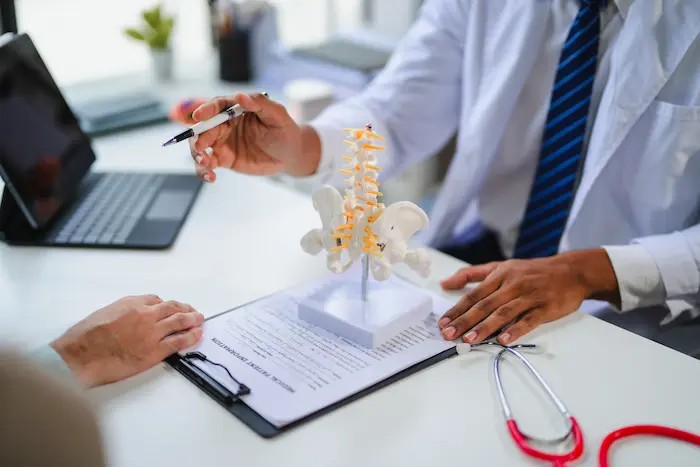
What Happens at AIPM in Vacaville?
At our clinic, located in Vacaville, CA, you can expect a thorough, patient-centered approach to identify the source of the problem. Your initial visit typically includes:
- Comprehensive Health History: Detailed discussion of onset, progression, and impact of what is happening and causing discomfort.
- Orthopedic and Neurological Testing: Clinical examinations of reflexes, sensation, muscle strength, and joint function.
- Movement and Posture Evaluation: Analysis of gait, standing, and sitting mechanics.
- Imaging Review (if indicated): X-rays, MRIs, or CT scans may be reviewed or ordered.
- Personalized Care Roadmap: A clear plan outlining therapies, expected outcomes, and timelines.
Our doctors will explain your diagnosis, discuss care options, and involve you and your family (if you'd like) in selecting the best path. The goal is to treat the underlying problem, equip you with self-management tools, and empower you throughout your care journey.
Our Vacaville Clinic's Distinctive Approach to Pain Relief
What sets our Vacaville clinic apart? We are committed to providing exceptional, patient-focused care through:
✓ Root Cause Resolution
We don't just mask symptoms; we meticulously investigate and address the underlying causes for sustainable relief.
✓ Non-Opioid & Non-Surgical Focus
Our priority is always conservative, evidence-based therapies that avoid the risks associated with medication dependency and invasive procedures.
✓ Personalized Care Plans
Every person receives a unique care plan, tailored to their specific condition, lifestyle, and goals.
✓ Advanced Diagnostic Tools
Utilizing cutting-edge assessments to gain a precise understanding of your body's dysfunctions.
✓ Empowering Patient Education
We provide knowledge and tools to actively participate in your healing process.
✓ Integrated Care Network
Collaborating with a network of specialists for comprehensive support.
Choosing the right pain specialist means choosing a partner dedicated to your long-term recovery and well-being.
Symptoms Requiring Professional Evaluation
Certain symptoms warrant professional assessment. Consult a chronic care doctor near me if you experience:
- Discomfort lasting over three months despite home care.
- Daily reliance on medication to maintain function.
- Pain radiating into arms or legs (e.g., sciatica).
- New numbness, tingling, or weakness in a limb.
- Restricted movement interfering with work, sleep, or daily tasks.
- Discomfort worsening with specific positions or movements.
- Unexplained weight loss or fever.
- Loss of bowel or bladder control (seek emergency medical care immediately).
Early and accurate evaluation improves prognosis and prevents conditions from becoming more challenging to treat. Timely intervention is paramount for effective chronic pain management.
Benefits of Relief Without Surgery
Many prioritize relief without surgery, as conservative care offers numerous advantages. Key benefits include:
- Minimal Downtime: Little to no recovery period.
- Reduced Medical Risk: Avoiding anesthesia and surgical complications.
- Preservation of Natural Anatomy: Restoring natural function.
- Rehabilitation-Focused: Building strength, flexibility, and correct movement.
- Sustainable Recovery: Teaches self-care and preventative strategies.
- Cost-Effectiveness: Generally less expensive than surgery.
- Root-Cause Resolution: Addresses underlying problems, not just symptoms.
While in some cases surgery is indispensable, for most patients, evidence-based conservative care is a safer, highly effective initial choice. This is why a non-surgical approach is often the preferred first step here at Absolute Integrative Physical Medicine.
Chronic Care Roadmap (Step-by-Step)
A systematic treatment roadmap for chronic pain includes:
- Accurate Diagnosis: Detailed history, physical examination, and imaging to identify causes.
- Reduce Inflammation and Pain: Calming irritated tissues and mitigating acute symptoms with gentle therapies and anti-inflammatory strategies.
- Restore Joint and Nerve Function: Improving mobility and optimizing nerve signaling through adjustments, exercises, and manual therapies.
- Strengthen Supporting Muscles and Improve Biomechanics: Addressing muscle imbalances to build stability and prevent recurrence.
- Maintain Results with Prevention Strategies: Consistent self-care, home exercise, ergonomic adjustments, stress management, and follow-up to prevent relapse.
This layered methodology is a core principle of integrative care, ensuring comprehensive treatment for sustained relief.
Lifestyle and Self-Management Strategies for Chronic Conditions
Daily habits play a pivotal role in treatment outcomes. Integrating practical self-care steps contributes to recovery:
- Regular, Gentle Exercise: Walking, swimming, yoga, or tai chi increase strength and flexibility.
- Anti-Inflammatory Diet: Minimize processed foods; prioritize whole fruits, vegetables, lean proteins, and healthy fats.
- Stress Reduction Techniques: Meditation, deep breathing, mindfulness, or time in nature.
- Quality Sleep: Adequate, restorative sleep is fundamental for healing. Establish a consistent sleep schedule.
- Ergonomic Adjustments: Modify workspace and routines for optimal posture and minimal strain.
- Hydration: Essential for joint health and cellular function.
- Social Connection: Nurturing relationships and engaging in enjoyable activities improves emotional well-being.
Consistent practice empowers you to take an active role in recovery and build resilience against chronic pain.
Choosing the Right Chronic Care Specialist in Vacaville
Selecting the right provider is critical. When searching for a chronic care doctor near me or a chronic care clinic Vacaville, consider:
- Philosophy of Care: Do they prioritize conservative, non-opioid, and functional approaches?
- Experience and Specialization: Expertise in chronic pain management and professional credentials.
- Comprehensive Evaluation: Thorough diagnostic assessments to identify root causes.
- Personalized Treatment Plans: Care tailored to individual needs.
- Multidisciplinary Team: Collaboration with physical therapists, acupuncturists, and other specialists.
- Patient Education: Clear explanation of condition and treatment options.
- Patient Reviews and Outcomes: What do other patients report about their experience with the pain specialist Vacaville?
If any aspect of your care is unclear, ask questions or seek a second opinion. Your comfort, confidence, and trust are essential for long-term success in managing chronic pain.
Frequently Asked Questions
Making specific lifestyle adjustments can significantly impact chronic pain management. Regular, gentle exercise such as walking, swimming, or yoga can enhance strength and flexibility. Adopting an anti-inflammatory diet rich in whole foods, fruits, vegetables, and healthy fats can help reduce inflammation. Additionally, incorporating stress reduction techniques like meditation and ensuring quality sleep are crucial. Ergonomic adjustments in your workspace can also minimize strain. These changes empower patients to take an active role in their recovery and improve overall well-being.
Preparing for your first visit to a chronic care clinic involves gathering relevant medical history and documentation. Bring a list of current medications, previous treatments, and any imaging results. Be ready to discuss your pain's onset, duration, and impact on daily life. Consider writing down specific questions or concerns you want to address. This preparation helps the healthcare provider understand your situation better and develop a personalized treatment plan tailored to your needs.
While non-opioid pain management is generally safer than opioid therapies, some risks still exist. For instance, certain physical therapies may lead to temporary discomfort or strain if not performed correctly. Additionally, lifestyle changes, such as dietary modifications, may require adjustment periods. It's essential to work closely with healthcare professionals to ensure that the chosen methods are appropriate for your specific condition and to monitor any potential side effects or complications during treatment.
During a comprehensive evaluation at a chronic care clinic, you can expect a thorough assessment of your health history, including the onset and progression of your pain. The clinician will conduct orthopedic and neurological tests to evaluate reflexes, sensation, and muscle strength. They may also analyze your movement and posture to identify any biomechanical issues. Depending on your case, imaging studies like X-rays or MRIs may be ordered to gain a clearer understanding of your condition, leading to a personalized treatment plan.
A multidisciplinary approach to chronic pain management involves a coordinated team of specialists, including physicians, physical therapists, and psychologists. This collaboration allows for a comprehensive treatment plan that addresses not only the physical aspects of pain but also emotional and lifestyle factors. By integrating various therapies, patients receive holistic care tailored to their unique needs, enhancing the likelihood of achieving lasting relief and improving overall quality of life.
Yes, chronic pain can significantly impact mental health, leading to conditions such as anxiety and depression. The persistent nature of pain can create feelings of frustration and helplessness. Addressing mental health is crucial in chronic pain management. Techniques such as cognitive-behavioral therapy, mindfulness practices, and stress management strategies can help patients cope with the emotional toll of chronic pain. Integrating psychological support into treatment plans fosters resilience and improves overall well-being.
Patient education is vital in chronic pain management as it empowers individuals to understand their condition and treatment options. Educated patients are more likely to engage actively in their care, adhere to treatment plans, and make informed lifestyle choices. Knowledge about pain mechanisms, self-management strategies, and the importance of follow-up care can enhance outcomes. Clinics that prioritize patient education foster a collaborative environment, leading to better communication and improved patient satisfaction.
Ready to Find Lasting Relief and Reclaim Your Life?
Don't let chronic discomfort control your life any longer. Discover personalized, non-opioid solutions tailored to your unique needs at our clinic in Vacaville.
Schedule Your ConsultationReferences & Further Reading
- National Institutes of Health (NIH) - National Institute of Neurological Disorders and Stroke (NINDS). (2023). Pain: Hope Through Research.
https://www.ninds.nih.gov/sites/default/files/migrate-documents/stroke_hope_through_research_february_2020_508c.pdf - Centers for Disease Control and Prevention (CDC). (2022). Chronic Pain and High-Impact Chronic Pain.
https://stacks.cdc.gov/view/cdc/169630 - American Pain Society. (2021). Clinical Practice Guidelines for the Management of Chronic Pain.
https://www.iasp-pain.org/resources/fact-sheets/clinical-practice-guidelines/ - International Association for the Study of Pain (IASP). (2020). IASP Terminology.
https://www.iasp-pain.org/resources/terminology/