Reviewed by: Dr. Alex Tam, DC
Yes, altitude sickness at Lake Tahoe is possible, although the risk at lake level is lower than at higher mountain elevations. Lake Tahoe sits at about 6,225 feet, while nearby ski resort summits reach approximately 8,600 to 10,000 feet. Altitude sickness can develop when you ascend faster than your body can adjust to the lower oxygen pressure. Your risk depends on factors such as how high you sleep, how quickly you ascend, and whether you have experienced altitude illness before. Allowing time to acclimatize, recognizing early symptoms, and knowing when to stop ascending or descend can help you prepare for a safer trip.
Key Takeaways
- Lake Tahoe's surface sits at about 6,225 feet. Nearby ski summits reach roughly 8,600 to 10,000 feet.
- Where you sleep and how quickly you ascend matter more than the highest point you reach during the day.
- A headache with nausea, dizziness, fatigue, or loss of appetite may indicate acute mountain sickness (AMS).
- Confusion, loss of coordination, or shortness of breath at rest can signal a life-threatening emergency.
- Stop ascending if symptoms develop. Descend and seek emergency medical care if severe symptoms appear.
Can You Get Altitude Sickness at Lake Tahoe?
Altitude sickness is a group of conditions that can develop when your body has not had enough time to adjust to higher elevation. The most common form is acute mountain sickness (AMS). Two less common complications, high-altitude cerebral edema (HACE) and high-altitude pulmonary edema (HAPE), affect the brain and lungs and can be life-threatening.
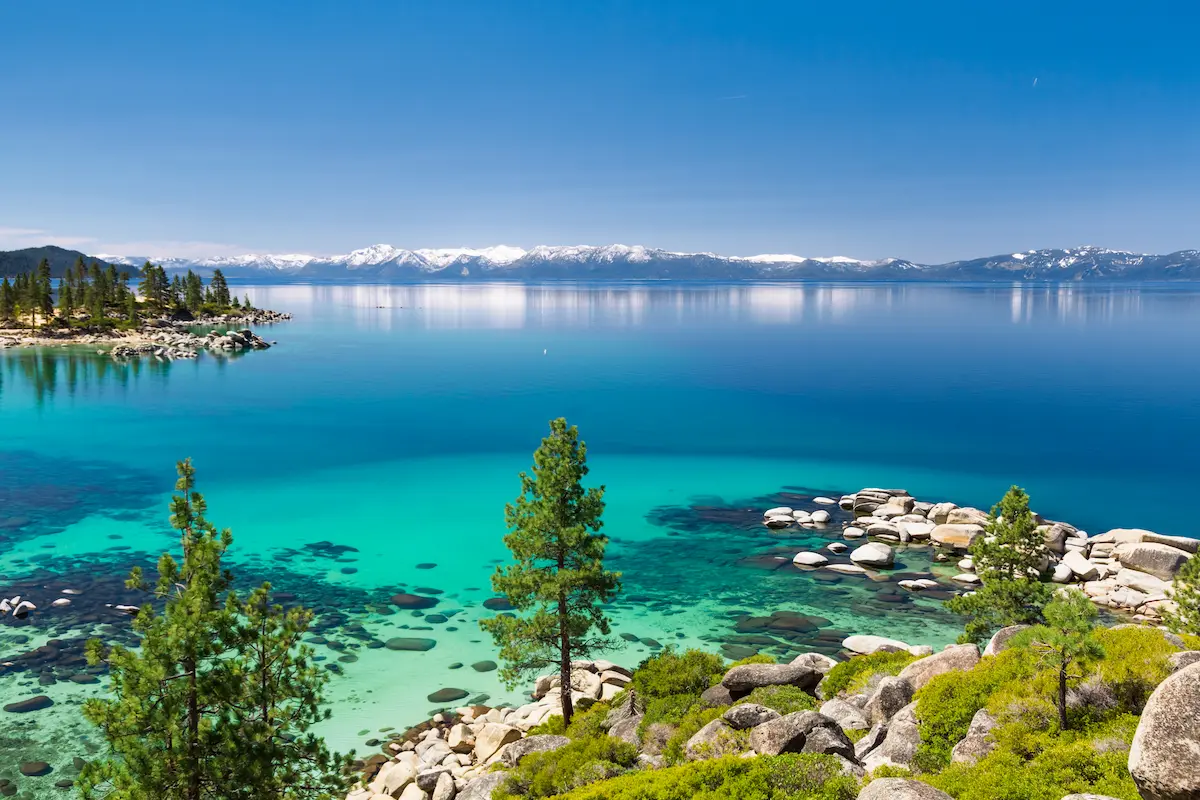
Lake Tahoe's average surface elevation is about 6,225 feet, according to the UC Davis Tahoe Environmental Research Center. Many nearby destinations sit considerably higher. Heavenly's summit reaches 10,067 feet, while Kirkwood's base area is approximately 7,800 feet, according to Vail Resorts.
Elevation alone does not determine your risk. Altitude medicine guidance places particular importance on sleeping elevation, the rate of ascent, and your previous response to altitude. Individual susceptibility also varies. Physical fitness does not protect you from altitude illness; the CDC states that training and fitness do not change a traveler's risk.
How High Is Lake Tahoe Compared With Vacaville?
Vacaville sits at approximately 175 feet above sea level. Driving from Vacaville to Lake Tahoe means gaining more than 6,000 feet in elevation. Ski lifts can take visitors several thousand feet higher during the day.
Approximate elevations for common destinations include:
- Vacaville: about 175 feet
- Lake Tahoe surface: about 6,225 feet
- Heavenly: base 6,255 feet; summit 10,067 feet
- Northstar: base 6,330 feet; highest elevation 8,610 feet
- Kirkwood: base 7,800 feet; summit 9,805 feet
- Freel Peak: approximately 10,891 feet
Think of Lake Tahoe as a range of elevations rather than one fixed number. A cabin near the lake and lodging near Kirkwood can differ by more than 1,500 feet. That difference can matter when considering where you will sleep.
Does Lake Tahoe's Elevation Increase Your Risk?
Lake Tahoe's lake-level elevation is below the 8,000-foot sleeping elevation the CDC identifies as a common risk marker for unacclimatized travelers. However, 8,000 feet is not a strict cutoff. Some people develop altitude illness at lower elevations, particularly when they ascend quickly or are susceptible to the condition.
The CDC reports that approximately 25% of visitors sleeping above 8,000 feet in Colorado develop AMS. That figure is not a prediction of the risk for every Tahoe visitor. Your individual risk depends on your sleeping elevation, ascent rate, previous altitude experience, and susceptibility.
What Causes Altitude Sickness?
Air at Lake Tahoe contains approximately the same percentage of oxygen as air in Vacaville. The difference is atmospheric pressure. As elevation increases, air pressure decreases. This means each breath delivers less oxygen pressure to your lungs, reducing the amount of oxygen that moves into your bloodstream.
Your body gradually adjusts through a process called acclimatization. Breathing, circulation, and other bodily responses adapt to the lower oxygen pressure. The CDC describes the first three to five days after ascent as an important period for acclimatization.
Altitude illness becomes more likely when you ascend faster than your body can adjust. Sleeping elevation matters because you spend many consecutive hours at that altitude. A rapid increase in sleeping elevation can leave your body with less time to adapt.
What Are the First Symptoms of Altitude Sickness?
Acute mountain sickness is the most common form of altitude illness. Its symptoms can resemble a hangover or the flu, making it easy to overlook after a day of travel or outdoor activity.
Common symptoms include:
- Headache
- Nausea or vomiting
- Dizziness
- Fatigue or unusual tiredness
- Loss of appetite
Headache is the characteristic symptom of AMS. It usually occurs with at least one other symptom after a recent increase in elevation. These symptoms are not unique to altitude illness, so other possible causes should also be considered.
How Soon Can Altitude Sickness Symptoms Start?
Symptoms usually begin two to 12 hours after arriving at a higher elevation or ascending farther. They often appear during or after the first night.
For Tahoe visitors, this can mean feeling fine when they arrive and waking up with a headache the next morning. According to the CDC, symptoms that begin more than three days after arriving at the same elevation, without further ascent, are unlikely to be AMS and should be evaluated for other causes.
How Long Does Altitude Sickness Usually Last?
Mild AMS often improves within 12 to 48 hours if you do not ascend farther. Recovery varies from person to person.
Do not assume symptoms will resolve on their own if they are getting worse. Worsening symptoms or the development of warning signs require prompt medical attention and may require descent.
How Can You Prevent Altitude Sickness on a Tahoe Trip?
Gradual ascent is one of the most effective ways to reduce the risk of altitude illness. The goal is to give your body time to adjust before sleeping at a substantially higher elevation.
The following precautions reflect CDC and Wilderness Medical Society guidance:
- Ascend gradually when possible. The CDC advises against traveling directly from a low elevation to a sleeping elevation above 9,000 feet in one day.
- Limit increases in sleeping elevation. Once above approximately 9,000 to 9,800 feet, follow recommended limits on daily increases in sleeping elevation. The CDC advises no more than about 1,600 feet per day once above 9,000 feet.
- Keep the first day manageable. Avoid heavy exercise for at least the first 48 hours after arriving above 8,000 feet.
- Avoid alcohol at first. The CDC recommends avoiding alcohol for the first 48 hours at high altitude.
- Choose a lower sleeping elevation when practical. Spending the day at a higher elevation and returning to a lower place to sleep can reduce overnight altitude exposure.
- Ask about preventive medication if needed. If you have experienced altitude illness before or expect a rapid ascent, discuss your travel plans with a qualified healthcare professional. Prescription medication may be appropriate for some travelers.
The 9,000-foot recommendation is an ascent-planning guideline, not a universal altitude-sickness threshold. Most Tahoe lodging is below that elevation. These recommendations become especially relevant if your trip includes higher mountain destinations or continued travel to greater elevations.
Does Drinking Water Prevent Altitude Sickness?
Staying adequately hydrated is sensible, but drinking extra water has not been shown to prevent AMS. The Wilderness Medical Society guidelines state that forced hydration or overhydration does not prevent altitude illness and may increase the risk of hyponatremia, a dangerously low blood sodium level.
Dehydration can cause headache, fatigue, and dizziness, which can overlap with AMS symptoms. Drink to thirst rather than forcing large amounts of water. A humidifier may make dry indoor air more comfortable, but it does not prevent altitude sickness.
Does Being Physically Fit Protect You From Altitude Sickness?
No. Fit travelers can still develop altitude illness. The CDC states that physical fitness and training do not affect a person's risk.
Being in good shape may help you handle physical activity, but it does not mean your body will adjust to reduced oxygen pressure more quickly. Avoid pushing yourself during your first day at elevation, regardless of your fitness level.
Should You Avoid Alcohol at High Altitude?
Yes, at least during the initial adjustment period. The CDC recommends avoiding alcohol for the first 48 hours after arriving above 8,000 feet.
Alcohol can also contribute to headache, nausea, and disrupted sleep. These effects may make early altitude sickness symptoms harder to recognize.
Does Sleeping at a Lower Elevation Help?
For many travelers, yes. Sleeping elevation is an important factor in altitude illness risk. Spending the day at a higher point and returning to a lower elevation to sleep can reduce the amount of time your body spends at higher altitude.
Mountaineers often describe this approach as "climb high, sleep low." If you have experienced altitude symptoms before, choosing lodging closer to lake level may be a practical precaution.
What Should You Do If You Develop Altitude Sickness?
If you develop symptoms that may indicate AMS, do not continue ascending. The Wilderness Medical Society recommends that people with AMS avoid moving to a higher sleeping elevation.
For mild symptoms:
- Stop ascending.
- Rest at your current elevation.
- Avoid strenuous activity and alcohol.
- Monitor your symptoms and let someone in your group know how you feel.
- Do not move to a higher sleeping elevation while symptoms continue.
- Descend if symptoms worsen or fail to improve.
Descent is the most effective treatment for significant altitude illness. The CDC notes that AMS symptoms often improve rapidly after descending at least 1,000 feet. The amount of descent needed varies, so do not rely on a specific distance if symptoms are severe.
When Should You Go Down to a Lower Elevation?
Descend if your symptoms worsen or fail to improve with rest. Do not wait for symptoms to become severe before taking action.
For mild AMS, a person may be able to remain at the same elevation under close observation. Severe symptoms, however, require prompt descent and medical care. If someone has confusion, loss of coordination, or shortness of breath at rest, treat it as an emergency.
If possible, have someone else arrange transportation. A severely ill person should not drive themselves.
What Are the Warning Signs of Severe Altitude Sickness?
Most altitude sickness is mild, but two uncommon complications can become life-threatening: high-altitude cerebral edema (HACE) and high-altitude pulmonary edema (HAPE).
High-altitude cerebral edema (HACE) involves swelling of the brain. Warning signs include confusion, altered mental status, unusual drowsiness, and loss of coordination. A person may appear intoxicated or have difficulty walking in a straight line.
High-altitude pulmonary edema (HAPE) involves fluid buildup in the lungs. Early signs can include unusual breathlessness during activity, reduced exercise tolerance, cough, and chest congestion. As the condition progresses, a person may become short of breath even while resting. Severe cases can involve pink or bloody sputum.
Emergency Warning Signs: Get Help Immediately
- Confusion or altered mental status
- Unusual drowsiness or difficulty staying awake
- Loss of coordination or difficulty walking in a straight line
- Shortness of breath while resting
- Worsening cough or chest congestion
- Pink or bloody sputum
Suspected HACE or HAPE requires immediate descent and emergency medical care. Call 911. Do not leave the affected person alone or allow them to drive themselves. If available, supplemental oxygen may be used while arranging emergency care and descent, but it should not delay either.
Types of Altitude Illness and Warning Signs
| Condition | Typical symptoms or signs | Why it matters | Appropriate response |
|---|---|---|---|
| Acute Mountain Sickness (AMS) | Headache with nausea, dizziness, fatigue, or loss of appetite | Most common form of altitude illness | Stop ascending, rest, monitor symptoms, and descend if symptoms worsen or fail to improve |
| High-Altitude Cerebral Edema (HACE) | Confusion, altered mental status, unusual drowsiness, or loss of coordination | Life-threatening condition involving brain swelling | Emergency: Immediate descent and emergency medical care |
| High-Altitude Pulmonary Edema (HAPE) | Unusual breathlessness during activity, shortness of breath at rest, worsening cough, or pink or bloody sputum | Life-threatening fluid accumulation in the lungs | Emergency: Immediate descent and emergency medical care |
These conditions do not always develop in a predictable sequence. Any warning sign of HACE or HAPE requires emergency attention. Descriptions and response guidance are based on the CDC Yellow Book and the 2024 Wilderness Medical Society guidelines.
Who Is More Likely to Develop Altitude Sickness?
Anyone can develop altitude sickness. Risk tends to increase with:
- A previous history of altitude illness
- Rapid ascent from a low elevation
- A higher sleeping elevation
- Limited time to acclimatize
- Individual susceptibility, which is partly influenced by genetics
The CDC identifies a person's previous response to altitude as the most useful guide for future trips when the destination elevation and ascent rate are similar. However, a previous trip without symptoms does not guarantee that a future trip will be symptom-free.
Children can also develop altitude illness and are considered as susceptible as adults. Young children who cannot explain how they feel may show signs such as loss of appetite, irritability, or paleness.
Some heart and lung conditions may be affected by reduced oxygen availability at higher elevations. If you have an existing medical condition or concerns about traveling to altitude, discuss your plans with your healthcare professional before your trip.
How Should You Prepare for a Lake Tahoe Ski Trip?
A little planning can help you recognize symptoms early and make safer decisions during your trip. Before leaving Solano County, use this checklist:
- Review the elevations where you plan to ski, hike, and sleep.
- Consider how your body has responded to high altitude in the past.
- Plan a gradual ascent when your itinerary allows.
- Keep your first day physically manageable.
- Avoid alcohol during the first 48 hours at high altitude.
- Learn the symptoms of AMS, HACE, and HAPE.
- Know how to descend and where to seek medical help.
- Talk with a healthcare professional about preventive medication if you have a history of altitude illness or expect a rapid ascent.
Frequently Asked Questions About Altitude Sickness at Lake Tahoe
Plan Ahead for a Safer Tahoe Trip
A trip from Vacaville to Lake Tahoe involves a substantial and relatively rapid change in elevation. Most visitors enjoy the area without developing altitude illness, but understanding the risks can help you prepare.
Check the elevations where you plan to ski, hike, and sleep. Give your body time to adjust, keep your first day manageable, and do not continue ascending if symptoms develop. If you notice confusion, loss of coordination, or shortness of breath at rest, descend immediately and seek emergency medical care.
This article is for general informational purposes only and is not a substitute for professional medical advice, diagnosis, or treatment. If you suspect severe altitude illness, seek emergency medical care.
This content has been reviewed by our healthcare professionals for accuracy and educational purposes. It should not be used as a substitute for professional medical advice, diagnosis, or treatment.