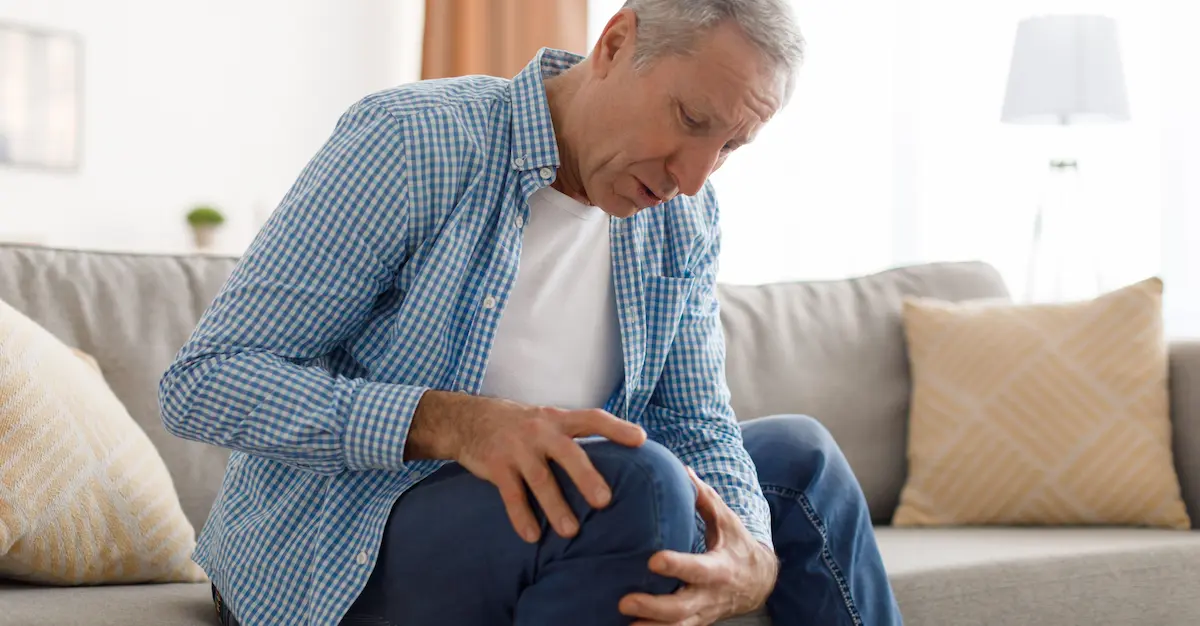
Knee pain often feels like one general ache, but the cause is usually very specific. Understanding knee anatomy and knee joint structure can help explain why pain occurs on the inner knee, outer knee, or around the kneecap. Your knee is not a simple hinge. It is a complex joint with several working parts, and pain often develops in one specific area before affecting overall function.
Understanding how your knee is built makes that pain easier to make sense of. The same ache can come from very different parts of the joint. Let us start with the basic structure, then look at how problems develop.
Table of Contents
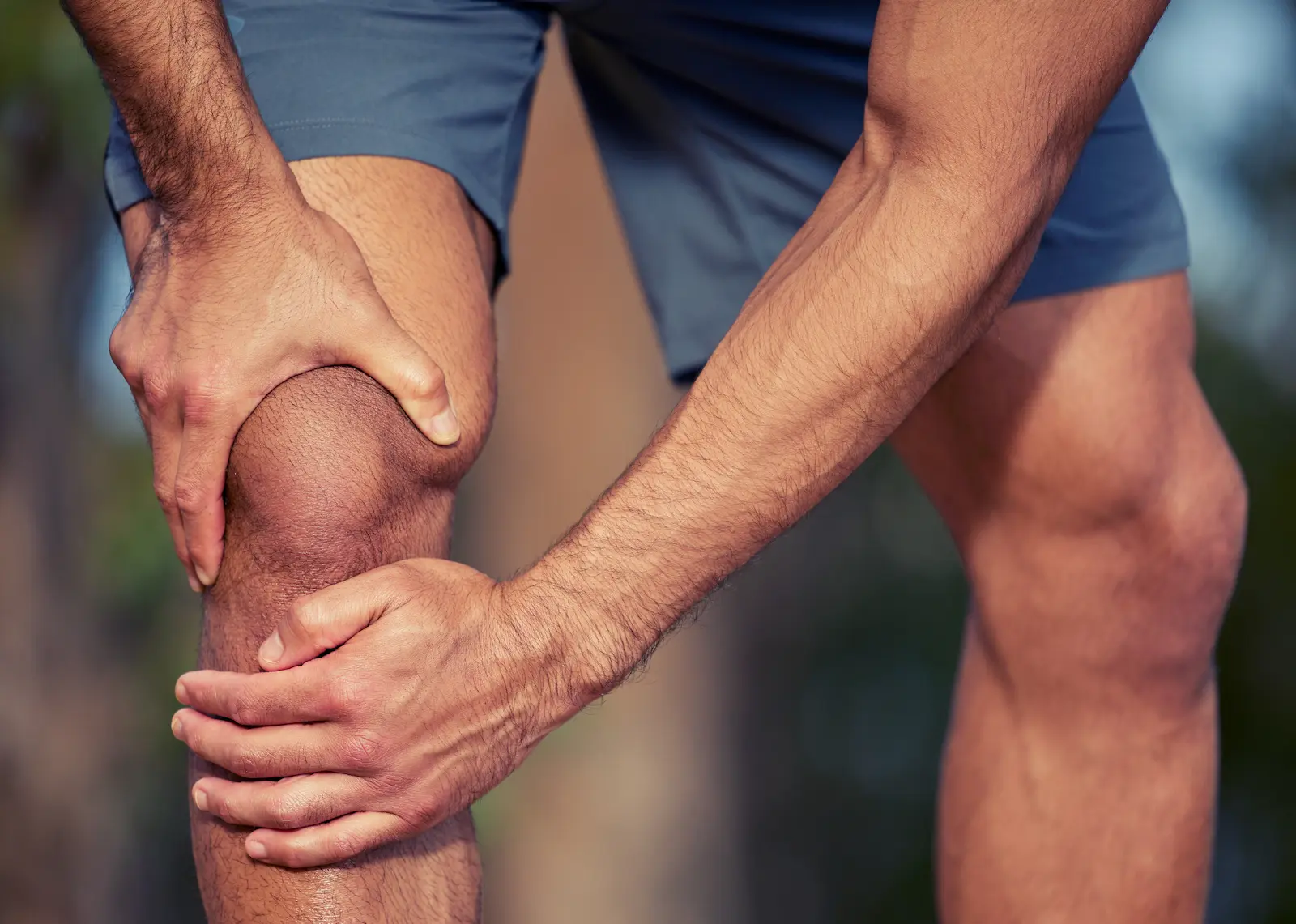
What Is the Structure of the Knee Joint?
The knee joint structure includes three main functional areas. Two of these are the medial compartment, located on the inner side of the knee, and the lateral compartment on the outer side.
The third critical area is the joint at the front, where the kneecap sits and interacts with the thigh bone (femur). Because each of these areas handles physical loads differently, identifying the specific location of your pain is the first step in understanding which part of the joint is struggling.
Parts of the Knee and Their Function
Understanding the parts of the knee helps explain why pain shows up where it does. Each area has a distinct job, and when one is overloaded or worn, it tends to produce a recognizable pattern. Knowing which area hurts is often the first clue to what is happening inside the joint.
Medial Compartment (Inner Knee)
The medial compartment sits on the inner side of your knee. It carries a large share of your body weight as you stand and walk. Because of that steady load, it is one of the most common areas for knee compartment wear. Long walks and standing jobs keep this area under near-constant pressure, which is why medial knee pain is one of the most frequently reported knee complaints. Over time, cartilage changes in this region may contribute to discomfort during walking and other weight-bearing activities.
Lateral Compartment (Outer Knee)
The lateral compartment is the outside part of your knee. This area helps you move, twist, and change directions quickly. Sports that involve pivoting or moving side-to-side put extra pressure here. People who do a lot of active movement often feel pain on the outer edge of the knee first because this part of the joint handles the stress of turning and shifting.
Patellofemoral Joint (Front of Knee)
The patellofemoral joint is the front of your knee where your kneecap sits. This part of the knee helps your leg bend and straighten smoothly. Common actions like climbing stairs, squatting, or even sitting for a long time can put a lot of pressure on the front of the knee. If the kneecap is not tracking smoothly, it may contribute to patellofemoral pain. People often notice discomfort during activities such as climbing stairs, getting up from a seated position, or spending long periods sitting. Grinding sensations around the kneecap may also occur.
What Causes Knee Joint Pain and Wear?
Knee pain usually develops gradually rather than all at once. Several everyday mechanisms can slowly stress the joint over time, and symptoms may come and go, making it easy to delay seeking evaluation. Common knee joint pain causes include:
- Uneven load distribution that places extra pressure on one compartment, often resulting from poor biomechanics such as flat feet or an uneven gait.
- Cartilage wear that builds up over years of use and may contribute to knee compartment wear and changes in joint spacing.
- Repetitive stress from work, sports, or daily movement that can trigger irritation and stiffness around the joint.
- Alignment or movement imbalances, including tight hips, that alter how forces move through the knee joint structure.
- Lingering effects of previous injuries, such as ACL tears or meniscus damage, which may influence long-term joint function and stability.
Over time, these factors may contribute to knee joint narrowing, where the space between the bones gradually decreases. Knee joint narrowing is often associated with knee compartment wear and may reflect gradual cartilage changes rather than a single injury event. Recognizing these patterns early can help individuals explore non-surgical approaches aimed at improving joint function and reducing stress on the knee.
Signs Your Knee May Need Evaluation
Occasional soreness after physical activity is often a normal part of how the body responds to exertion. However, when discomfort becomes a regular occurrence or begins to interfere with your daily routine, it is important to understand the specific signs that suggest your knee may benefit from a professional evaluation. Consider scheduling a consultation if you experience any of the following patterns:
- Persistent pain during routine activities like walking or climbing stairs, which may indicate structural issues in the medial or patellofemoral compartments
- Joint stiffness that lingers long after periods of rest or upon waking, often a sign of joint inflammation or early-stage osteoarthritis
- Visible swelling or a feeling of constant pressure, which may mean your joint is inflamed.
- Audible or physical sensations of grinding, clicking, or popping during movement, which could point to meniscus irritation or kneecap tracking issues
- A noticeable reduction in mobility or difficulty achieving a full range of motion when bending the knee, indicating that joint mechanics are being meaningfully affected
- Feeling like your knee is unstable or \"giving way\" during activity, which may mean your ligaments or muscles aren't providing enough support.
- Hesitation before standing from a chair or avoiding low seating to prevent anticipated discomfort
Addressing these symptoms early is key to identifying the underlying structural cause before it limits your lifestyle. Recognizing these patterns often opens the door to simpler, less invasive treatment options designed to restore function and comfort.
Supporting Knee Function in Vacaville, CA
You do not always need surgery to address knee pain. Many non-surgical approaches focus on improving how the joint moves and reducing stress on worn areas. These methods look at the whole movement pattern, not just the painful spot. The aim is to support better mechanics so the knee can function more comfortably.
One option is Knee on Trac therapy, a decompression-based treatment that gently creates space within the joint. By easing pressure on the compartments, it works to relieve stress and support healthier movement.
At Absolute Integrative Physical Medicine in Vacaville, care starts with understanding your specific knee structure and where the strain is coming from. From there, the focus is on restoring comfortable, functional movement.
Get Expert Joint Care in Vacaville
You do not have to live with painful knee symptoms that limit your daily life. At Absolute Integrative Physical Medicine, our team helps patients find the cause of their discomfort and address it at the source.
A personalized evaluation can show whether alignment issues, muscle imbalances, or joint wear is driving your symptoms. From there we build a non-surgical plan to relieve joint stress and restore your mobility.
Ready to feel better? Take the first step toward more comfortable movement.
Call us at (707) 474-5688
Frequently Asked Questions
The knee joint structure includes three main areas: the medial compartment on the inner side, the lateral compartment on the outer side, and the patellofemoral joint at the front. Each part of the knee handles different types of load and movement. Together they allow the joint to bear weight and move in multiple directions.
Common knee joint pain causes include uneven load distribution, cartilage wear, repetitive stress from daily activities, alignment imbalances, and previous injuries. Understanding which factors are contributing to symptoms can help guide appropriate treatment recommendations.
Knee joint narrowing occurs when the space between the bones within the knee joint decreases over time. It is often associated with knee compartment wear and gradual cartilage changes that may affect how the joint functions.
Knee on Trac is a non-surgical, decompression-based therapy for knee discomfort. It gently creates space in the joint to ease pressure on worn areas. The goal is to support better movement and comfort.
Yes, it can. How your foot strikes the ground and how your hip and ankle align both influence how load is distributed across the knee compartments. Over time, even small imbalances can contribute to uneven wear.
Not necessarily. Knee pain can come from muscle tension, joint irritation, poor movement patterns, or previous injury, none of which are arthritis. An evaluation helps identify what is actually driving the discomfort.
For many people, it can. Non-surgical approaches that address joint mechanics, reduce load on worn areas, and improve movement patterns have helped a wide range of patients. The right path depends on what is causing the pain and how far it has progressed.