Back pain that worsens when sitting is a common condition where the spine experiences increased pressure and strain in a seated position. This often results from poor posture, weak core muscles, or increased pressure on spinal discs. The pain typically improves when standing or walking, making it a distinct pattern from other types of back pain.
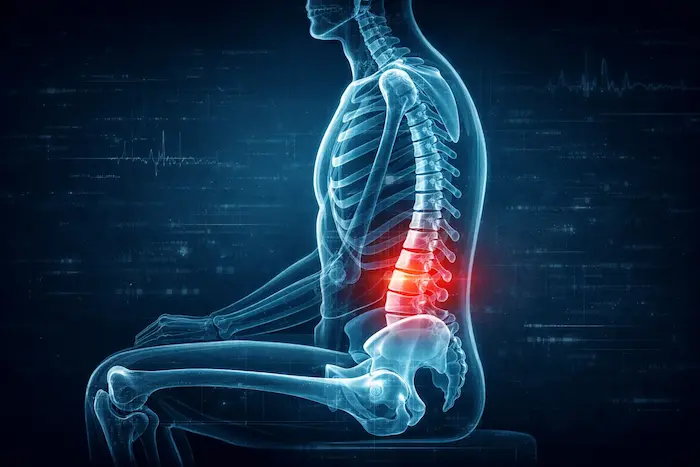
Sitting increases pressure on your spinal discs and can cause your lower back to lose its natural curve. This combination often leads to muscle fatigue, disc compression, and nerve irritation that makes pain worse than when standing or moving. Common causes include poor posture, weak core muscles, and prolonged sitting habits.
Back Pain When Sitting — What It Means
Back pain when sitting is often a sign that your spine is under significant stress or that the discs and surrounding structures are not functioning properly. Many patients experience discomfort that worsens the longer they sit, especially during work, driving, or resting. This type of pain is commonly linked to posture, disc pressure, or muscle fatigue. If the pain becomes consistent, it should not be ignored.
Sitting may seem like a resting position, but for the spine, it can actually increase pressure. Sitting often reduces the natural inward curve of the lower back. This shift in position moves pressure directly onto the spinal discs. Over time, this creates a pattern where pain improves when standing but worsens during prolonged sitting.
Primary Causes of Discomfort While Seated
Back pain while sitting can stem from multiple sources that affect the spine's structural integrity. Identifying the root cause is essential for finding an effective treatment plan.
The Impact of Poor Posture
One of the most common causes of sitting pain is poor posture. Slouching forward or leaning into a screen places extreme stress on the lower back muscles. This often leads to muscle fatigue and localized strain. Over time, poor posture can permanently affect spinal alignment and increase disc wear.
Herniated or Bulging Discs
Spinal discs act as essential cushions between your vertebrae. When a disc becomes damaged or shifts, it can press on nearby sensitive nerves. Sitting increases the internal pressure of these discs, making symptoms much worse. Learn more about herniated disc symptoms and warning signs →
Nerve Compression
Nerves traveling from the spine can become compressed while you sit. This compression may cause pain that radiates from the lower back. If your pain extends into your buttock or down your leg, you may have sciatica rather than isolated lower back pain. Learn more in Can Sitting Too Much Cause Sciatica? →
Weak Core Support
The core muscles are responsible for helping support and stabilize the spine. If these muscles are weak, the spine lacks proper stabilization during seated activities. This lack of support leads to increased strain on the lower back joints. Consistent core strengthening is often necessary to reduce this specific type of strain.
Prolonged Sitting Habits
Sitting for long periods without movement reduces circulation and increases stiffness. This can cause muscles to tighten and joints to become less mobile. Over time, this contributes to persistent discomfort.
Symptoms Commonly Associated with Sitting Pain
Back pain when sitting is rarely an isolated issue. Patients often report a cluster of symptoms that indicate how the spine is reacting.
- Lower Back Stiffness: A feeling of rigidity after sitting for a short time.
- Positional Relief: Pain that significantly improves immediately upon standing or walking.
- Transition Pain: Sharp discomfort when moving from a sitting to a standing position.
- Muscle Fatigue: A tired, aching sensation in the lower back muscles.
These symptoms can help indicate whether the issue is muscular, structural, or nerve-related. Pain that radiates below the knee may suggest sciatica.
Why You Should Not Ignore Sitting Pain
Back pain that worsens when sitting is often a vital early warning sign. Ignoring these signals can allow a minor issue to become a chronic condition. If left untreated, it may lead to worsening disc problems, increased nerve irritation, chronic lower back pain, and reduced mobility.
Many patients wait until the pain becomes severe before seeking care. Addressing the issue early allows for more effective and less invasive treatment.
How Sitting Pain Affects Your Daily Life
Sitting is a major part of daily routines. Whether working, driving, or resting, most people spend several hours seated each day. When sitting becomes painful, it can affect productivity at work, ability to focus, comfort during travel, and overall quality of life. Patients often report that their pain begins interfering with simple activities like working at a desk or relaxing at home.
Is sitting pain affecting your daily life?
Don't wait for the pain to worsen. A professional evaluation can identify the underlying cause and get you on the path to relief.
Schedule an Evaluation →When to Seek a Professional Evaluation
Not all back pain requires immediate care, but certain patterns are concerning. You should seek an evaluation if:
- Pain occurs every time you sit
- Symptoms are worsening
- Pain radiates into the legs
- Sitting becomes difficult or uncomfortable
A proper assessment helps determine if the issue is disc-related or a muscle imbalance. Early intervention is the best way to prevent long-term structural damage.
Effective Treatment Options
Treatment should always focus on addressing the root cause rather than masking the pain. Several therapies are designed to restore function to the spine.
Non-Surgical Spinal Decompression
Spinal decompression therapy aims to relieve pressure on compressed discs and nerves. By creating space within the spine, this treatment helps reduce pain naturally. It is a highly effective option for those with herniated or bulging discs. Learn more about spinal decompression therapy →
Chiropractic Care and Alignment
Chiropractic adjustments help improve the overall alignment of the spinal column. This may reduce the mechanical stress placed on the lower back. Proper alignment improves function and allows the body to heal more efficiently. Explore our chiropractic care options →
Regenerative Medicine
Regenerative therapies focus on supporting tissue repair and reducing chronic inflammation. These treatments can improve the condition of the affected spinal structures. Find more regenerative therapy information →
Strategies for Posture and Movement
Improving your posture can significantly reduce the stress placed on your spine daily. Simple changes to your environment can make a massive difference in comfort.
- Lumbar Support: Always sit with proper support for the lower back curve.
- Frequent Breaks: Take a movement break every 30 to 60 minutes.
- Workstation Ergonomics: Adjust your monitor and chair height to maintain a neutral spine.
- Movement: Incorporate light stretching throughout the day to keep joints mobile.
While these changes help manage symptoms, they may not fix underlying structural issues. A combination of lifestyle changes and professional care is usually the best approach.
Why Early Treatment Matters
Back pain often develops gradually. What begins as mild discomfort when sitting can progress into more persistent pain. Early treatment may help reduce pressure on discs, prevent nerve irritation, improve spinal function, and avoid long-term complications. Patients who address symptoms early often experience better outcomes.
Seeking early care may help:
- Reduce pressure on spinal discs
- Prevent progressive nerve irritation
- Improve overall spinal function
- Avoid long-term chronic complications
Patients who act early consistently report better outcomes than those who wait.
Back Pain Treatment in Vacaville
Patients in Vacaville and surrounding areas experiencing back pain when sitting can benefit from a comprehensive evaluation. Understanding the root cause allows for a targeted treatment plan. Whether the issue is related to posture, disc pressure, or nerve irritation, proper care can help restore function and reduce discomfort. If sitting pain is affecting your daily life, taking action early can make a significant difference.
If you're ready to stop guessing and find real answers - schedule an appointment today →
Key Takeaways
- Sitting increases pressure on spinal discs and can cause the lower back to lose its natural curve
- Poor posture, weak core muscles, and prolonged sitting are common causes of back pain when sitting
- Pain that improves when standing but worsens with sitting is a key characteristic of this condition
- Early evaluation can prevent minor issues from becoming chronic conditions
- Effective treatments include spinal decompression, chiropractic care, and regenerative medicine
- Simple posture and ergonomic changes can significantly reduce sitting-related back pain
Frequently Asked Questions
If you have been suffering from back pain when sitting, don't wait any longer. A comprehensive evaluation can help identify the root cause and get you on the path to recovery. Schedule a consultation with our team today →
Give us a call today at (707) 474-5688 and secure your spot this month for an in‑depth evaluation.
References
Mayo Clinic: Back pain: Causes
National Institute of Neurological Disorders and Stroke: Low Back Pain Fact Sheet
American Chiropractic Association: Back Pain Information
This content has been reviewed by our healthcare professionals for accuracy and educational purposes. It should not be used as a substitute for professional medical advice, diagnosis, or treatment.