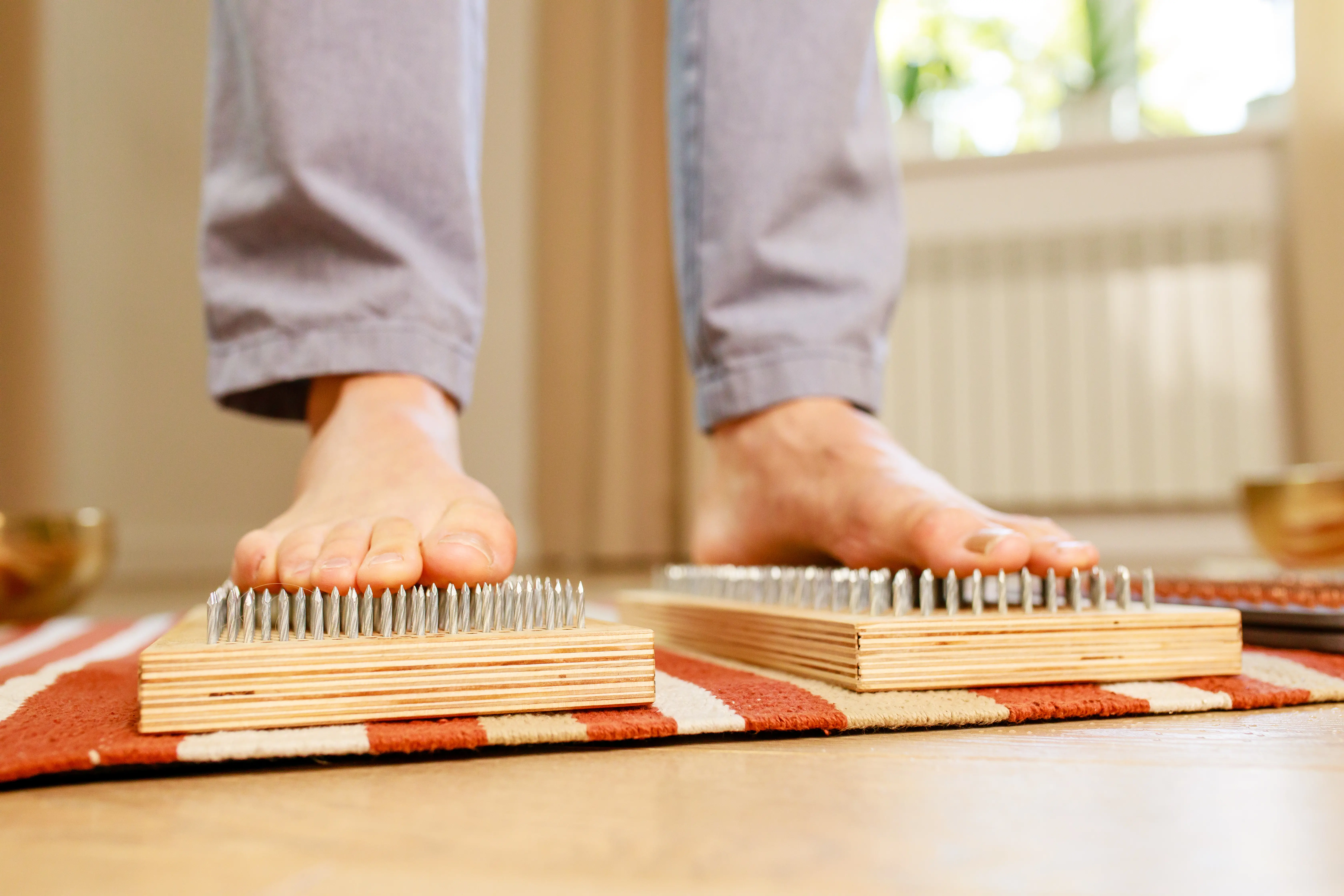
Peripheral neuropathy refers to damage or dysfunction affecting the nerves outside the brain and spinal cord. These nerves are responsible for carrying signals related to sensation, movement, and involuntary body functions like digestion and circulation. When damaged, they can produce tingling, numbness, burning, or weakness—most commonly in the hands and feet.
Neuropathy is nerve damage that disrupts signals between the brain and body, causing tingling, numbness, burning, or weakness, most often in the hands and feet. Common causes include diabetes, vitamin deficiencies, autoimmune disease, and nerve compression. Early evaluation gives patients in Vacaville, Fairfield, Dixon, and across Solano County the best chance of slowing or reversing symptoms.
What Is Neuropathy?
Neuropathy, also called peripheral neuropathy, refers to damage or dysfunction affecting the nerves outside the brain and spinal cord. These nerves are responsible for carrying signals related to sensation, movement, and involuntary body functions like digestion and circulation.
When these nerves are damaged or irritated, the signals they send can become distorted — which is why neuropathy often produces sensations that don't match what's actually happening to the body: numbness in a foot that hasn't been injured, or burning pain with no visible cause.
Neuropathy can affect one type of nerve or several at once:
- Sensory nerves — control feeling, including touch, temperature, and pain
- Motor nerves — control muscle movement and coordination
- Autonomic nerves — regulate involuntary functions like heart rate, digestion, and blood pressure
What Causes Neuropathy?
Neuropathy isn't a single condition — it's a symptom pattern that can stem from a number of underlying causes. Because so many different factors can contribute, identifying the underlying cause is an important part of understanding what to do next.
- Diabetes — one of the most common causes of peripheral neuropathy, related to prolonged high blood sugar affecting nerve health
- Nerve compression — from spinal misalignment, joint dysfunction, or repetitive strain
- Physical trauma — injuries or accidents that damage nerve tissue directly
- Chronic inflammation — ongoing inflammatory processes that irritate nerve fibers over time
- Poor circulation — reduced blood flow that limits the oxygen and nutrients nerves need to function and repair
- Nutritional deficiencies — particularly deficiencies in B vitamins, which play a role in nerve health
- Autoimmune conditions and certain medications — including some chemotherapy drugs
Because neuropathy often develops as a complication of chronic health conditions, identifying and addressing underlying metabolic and nutritional contributors to nerve damage can be an important part of care.
What Are the First Signs of Neuropathy?
The earliest symptoms often include occasional tingling, mild numbness, burning sensations, or increased sensitivity in the toes or fingertips. Symptoms usually begin gradually before progressing.
Many patients don't realize they have neuropathy at first because the early signs are subtle. You might notice a slight pins-and-needles feeling in your toes after sitting for a while, or a mild burning sensation in your feet at the end of the day.
These early symptoms often come and go, which can make them easy to dismiss. However, if you notice any of the following early warning signs, it's worth discussing them with a healthcare provider:
- Occasional tingling in your toes or fingertips
- Mild numbness that comes and goes
- Burning sensations in the feet, especially at night
- Increased sensitivity to touch or temperature
- A feeling like you're walking on cotton or wearing a sock that doesn't fit
Identifying these signs early is important because nerve damage can often be slowed or reversed when caught in its early stages. If you're experiencing any of these symptoms, especially if you have diabetes or other risk factors, consider scheduling an evaluation.
What Does Neuropathy Feel Like?
Neuropathy typically feels like tingling, burning, or numbness that starts in the toes or fingers and can spread upward over time. Some patients also notice weakness, balance problems, or sudden electric shock sensations.
Symptoms vary from person to person, and they often depend on which nerves are affected and how severely.
- Tingling, often described as a pins-and-needles feeling
- Burning pain, especially in the feet
- Numbness or reduced sensation
- Muscle weakness
- Balance problems or unsteady walking
- Sudden, sharp electric shock sensations
Why Are My Feet Burning at Night?
Burning feet at night are commonly linked to diabetic neuropathy, nerve irritation, inflammation, or poor circulation. Nerves are often more sensitive at rest, with fewer distractions and cooler skin temperature, which can make burning sensations feel more intense after dark.
Diabetic neuropathy is one of the most frequent causes of nighttime burning feet, since prolonged high blood sugar gradually damages small nerve fibers. Inflammation around an irritated nerve can add to that burning sensation.
Reduced circulation can also play a role, since blood flow naturally slows during rest. Patients in Vacaville who notice burning feet most nights, or symptoms that are getting worse, should have the pattern evaluated rather than assuming it will resolve on its own.
Why Do My Toes Go Numb When I Walk?
Numb toes during walking often point to nerve compression, peripheral neuropathy, or an underlying spinal condition affecting the nerves that travel to the feet. Poor circulation and unsupportive footwear can make the numbness more noticeable.
When a nerve is compressed, either in the spine or lower leg, physical activity like walking can aggravate that pressure and bring on numbness. Peripheral neuropathy can cause a similar pattern, independent of any spinal involvement.
Footwear matters as well. Shoes that are too tight or lack proper support can compress nerves in the foot and mimic or worsen neuropathy symptoms during activity.
Can Neuropathy Spread?
Yes, neuropathy can spread if the underlying cause is not identified and addressed. Many patients notice symptoms starting in the toes and gradually moving up the foot and leg, a pattern often called a stocking-glove distribution.
This progression happens because the longest nerves, the ones reaching the feet, are typically affected first and worst. As nerve damage continues, symptoms can advance further up the limb and eventually affect the hands as well.
Catching the pattern early, before it spreads significantly, gives patients a better opportunity to address the root cause.
Can Neuropathy Be Reversed?
Neuropathy outcomes depend heavily on identifying and addressing the underlying cause early. Some nerve damage can improve significantly once the cause is treated, while long-standing or severe damage may only be partially reversible.
Nerves have some capacity to heal, particularly when the source of irritation or metabolic stress is removed early. This is why patients who address blood sugar issues, vitamin deficiencies, or nerve compression sooner tend to see better results.
Once nerve damage becomes advanced, full reversal becomes less likely, though many patients still experience meaningful symptom improvement with the right care plan.
What Happens If Neuropathy Is Left Untreated?
Untreated neuropathy can progress to permanent nerve damage, reduced mobility, and an increased risk of falls. In cases involving numbness in the feet, patients also face a higher risk of unnoticed cuts or ulcers.
Because neuropathy often reduces sensation, minor injuries can go unnoticed and worsen without proper care. Balance is also affected as nerve signals to the feet weaken, which raises fall risk, especially in older patients.
- Falls, due to reduced sensation and balance
- Ulcers or wounds that go unnoticed because of numbness
- Permanent nerve damage
- Reduced mobility and independence
Can Neuropathy Be Prevented?
While not all neuropathy is preventable, many cases can be delayed or avoided by managing underlying health conditions, maintaining a healthy lifestyle, and addressing risk factors early.
- Maintain consistent blood sugar control, especially if you have diabetes or prediabetes
- Address vitamin deficiencies promptly, particularly B vitamins
- Limit alcohol intake to reduce toxic effects on nerves
- Perform regular foot checks to catch injuries early, especially if you have reduced sensation
- Maintain a healthy weight to reduce strain on nerves and circulation
- Incorporate regular physical activity to support circulation and nerve health
- Stay on top of chronic health conditions that can affect nerve function
Does Walking Help Neuropathy?
Walking and other light aerobic activity can support circulation and may help some neuropathy symptoms over time. However, patients with existing foot numbness should wear supportive footwear and check their feet regularly, since reduced sensation can hide injuries.
Walking is one of the most accessible forms of exercise for people with neuropathy. It can help improve blood flow to the feet and legs, support overall cardiovascular health, and may reduce the progression of nerve damage, particularly for patients with diabetes-related neuropathy.
It's important to start gradually and pay attention to how your feet feel during and after walking. If you experience pain, increased numbness, or skin changes, take a break and consult your healthcare provider.
Can Stress Make Neuropathy Worse?
Stress does not directly damage nerves, but it can heighten pain perception and disrupt sleep, which may make existing neuropathy symptoms feel more intense. Managing stress is a reasonable part of an overall nerve health plan, alongside addressing the underlying cause.
Chronic stress can also lead to unhealthy coping mechanisms, like poor eating habits or alcohol use, which may indirectly affect nerve health. Stress management, whether through relaxation techniques, therapy, or exercise, can be a valuable piece of your overall care strategy.
Stress and neuropathy can be connected through the way stress affects pain perception, sleep, and overall health. Understanding these connections may help you recognize factors that can make neuropathy symptoms feel worse. Learn more about stress and neuropathy →
Can Lifestyle Changes Help?
Lifestyle changes can meaningfully support nerve health, particularly for patients with diabetes-related neuropathy. Regular exercise, balanced nutrition, stable blood sugar, adequate sleep, and avoiding smoking and excess alcohol all support nerve function.
Exercise improves circulation, which helps deliver oxygen and nutrients to nerve tissue. Consistent movement, even light walking, tends to benefit patients more than long periods of inactivity.
Blood sugar management is especially important for diabetic neuropathy, since stable glucose levels slow further nerve damage. Sleep, smoking cessation, and limiting alcohol also give nerves a better environment to recover.
- Regular, moderate exercise
- Balanced nutrition rich in B vitamins
- Consistent blood sugar management
- Adequate, quality sleep
- Avoiding smoking
- Limiting alcohol intake
Neuropathy vs. Sciatica: What's the Difference?
Neuropathy usually affects both feet with tingling and numbness, while sciatica typically causes radiating pain down one leg from nerve compression in the lower spine. The underlying mechanism differs even though both involve nerve irritation.
Because both conditions involve nerve symptoms, patients sometimes confuse one for the other. The table below highlights the key differences.
| Feature | Peripheral Neuropathy | Sciatica |
|---|---|---|
| Primary Cause | Nerve damage from diabetes, vitamin deficiency, autoimmune disease, etc. | Nerve compression, usually from a herniated disc or spinal stenosis |
| Location | Typically affects both feet, sometimes hands | Usually affects one leg |
| Pain Pattern | Tingling, burning, numbness, or weakness | Radiating pain, often sharp or shooting |
| Numbness | Common, often in a stocking-glove distribution | Possible, but usually accompanied by pain |
| Burning | Very common, especially in feet at night | Less common; more often sharp or aching |
| Weakness | Can occur, especially in feet or hands | Can occur in the leg or foot |
| Walking | Balance may be affected; walking can be unsteady | Walking may worsen the pain or be difficult |
| Balance | Often affected due to sensory loss in feet | Less commonly affected unless motor weakness is present |
| Common Treatments | Addressing underlying cause, nerve support therapies | Spinal decompression, chiropractic care, physical therapy |
Neuropathy vs. Poor Circulation: What's the Difference?
Neuropathy and poor circulation can both cause tingling, coldness, or numbness in the feet, which makes them easy to confuse. Neuropathy stems from nerve damage, while poor circulation stems from restricted blood flow, and the two sometimes occur together.
Both conditions can produce overlapping symptoms: cold feet, tingling, and slow-healing wounds. A key difference is that poor circulation often improves with elevation or movement, while neuropathy symptoms typically do not change with position.
Patients experiencing either pattern in Vacaville or elsewhere in Solano County should have circulation and nerve function evaluated separately, since the right care plan depends on the true underlying cause.
How Is Neuropathy Diagnosed?
Diagnosing neuropathy typically starts with a neurological examination, reflex testing, and monofilament testing to assess sensation. Depending on findings, providers may order blood work or refer patients for electromyography (EMG) or nerve conduction studies to confirm the extent of nerve involvement.
A thorough history and physical exam often reveal a lot about which nerves are affected and how severely. Reflex and monofilament testing help map out where sensation has changed.
Blood work can identify underlying causes such as diabetes or vitamin deficiencies. When more detail is needed, a specialist may perform EMG or nerve conduction studies, and imaging may be used if a spinal cause such as nerve compression is suspected.
When Should You Seek Treatment for Neuropathy?
Patients should seek evaluation when tingling, numbness, or burning becomes persistent, worsens at night, or starts affecting balance and daily activities. Early evaluation gives providers the best chance to identify the cause and slow further nerve damage.
If symptoms have lasted more than a few weeks, or if they are progressing, it is worth having them evaluated rather than waiting. Once an underlying cause is identified, treatment can be tailored to it.
If symptoms match what's described above, the next step is a proper evaluation. Our neuropathy treatment page covers how care is personalized based on the underlying cause.
Non-Medication Neuropathy Treatment Options
When managing neuropathy, there are several non-medication approaches that can complement medical care and help support nerve function.
- Chiropractic Care: Addresses spinal alignment and nerve interference that may contribute to neuropathy symptoms.
- Physical Therapy: Helps maintain strength, balance, and mobility, reducing fall risk and supporting overall function.
- Cold Laser Therapy: Uses light energy to stimulate cellular repair and reduce inflammation in nerve tissue.
- Nutritional & Lifestyle Guidance: Supports nerve healing, especially for diabetic neuropathy care.
- Natural Treatment Approaches: For patients with diabetes-related nerve symptoms, learning about natural treatments for diabetic neuropathy may provide additional ways to support nerve health alongside appropriate medical care.
Each patient's neuropathy care plan should be personalized based on their specific underlying causes, symptoms, and overall health status.
Key Takeaways About Neuropathy
- Neuropathy is common: Millions of Americans experience nerve pain, tingling, or numbness, often starting in the feet or hands.
- Many causes exist: While diabetes is the most frequent culprit, vitamin deficiencies, nerve compression, and other conditions can also lead to peripheral neuropathy.
- Early evaluation matters: Getting assessed early, when symptoms first appear, offers the best chance for slowing progression and preserving nerve function.
- Lifestyle changes help: Walking, a balanced diet, and managing blood sugar can meaningfully support nerve health and complement professional treatment.
- You have options: From chiropractic care and cold laser therapy to regenerative medicine, a tailored plan can address your specific needs.
Frequently Asked Questions
Nerve pain and numbness are common, but they are not something patients need to simply live with. Identifying the underlying cause is the foundation of any effective care plan. That cause might be diabetes, a vitamin deficiency, or nerve compression.
Learn More About Neuropathy Treatment in Vacaville →
References
Authoritative Sources
National Institute of Neurological Disorders and Stroke (NINDS). Peripheral Neuropathy Fact Sheet. https://www.ninds.nih.gov/health-information/patient-caregiver-education/fact-sheets/peripheral-neuropathy-fact-sheet
American Diabetes Association. Neuropathy (Nerve Damage). https://diabetes.org/diabetes-complications/neuropathy-nerve-damage
Mayo Clinic. Peripheral Neuropathy – Symptoms and Causes. https://www.mayoclinic.org/diseases-conditions/peripheral-neuropathy/symptoms-causes/syc-20352061
National Institutes of Health, Office of Dietary Supplements. Vitamin B12 – Health Professional Fact Sheet. https://ods.od.nih.gov/factsheets/VitaminB12-HealthProfessional/
Centers for Disease Control and Prevention (CDC). Nerve Damage (Diabetic Neuropathy). https://www.cdc.gov/diabetes/library/features/diabetes-nerve-damage.html
This content was reviewed by Absolute Integrative Physical Medicine professionals. It is not a substitute for medical evaluation.